
Environmental Impact
Ensure AI benefits all life by minimizing its environmental footprint (energy, water, materials, and pollution) while accelerating AI uses that restore ecosystems, protect communities, and promote long-term abundance.
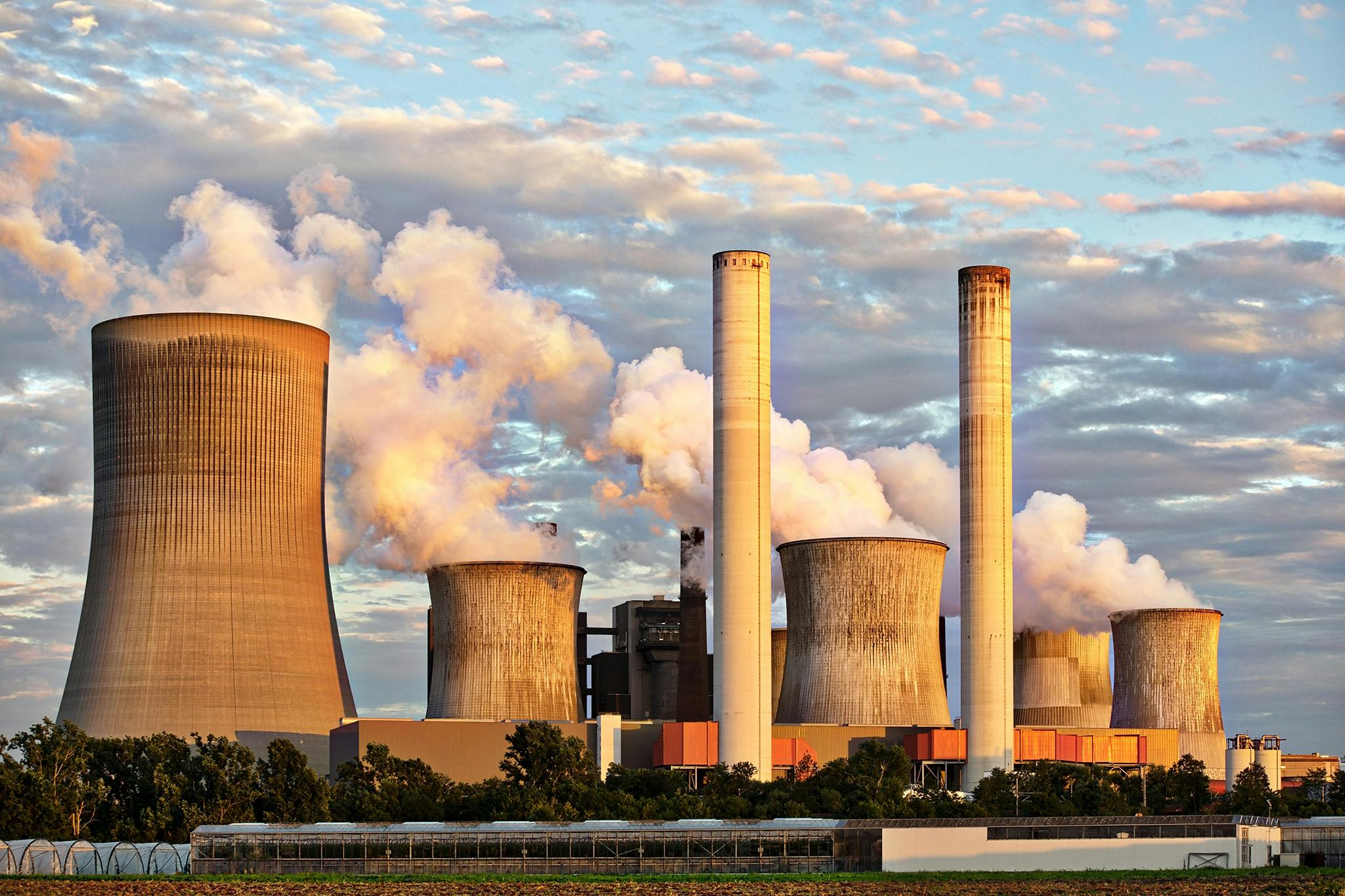
AI can accelerate climate solutions; but only if we measure and reduce its footprint.
AI doesn’t run on ideas, it runs on energy, water, minerals, and hardware. As models scale, so do the environmental costs: electricity demand, cooling water consumption, and e-waste. Those impacts often land locally, affecting communities near data centers or extraction and manufacturing sites.
At the same time, AI can be a powerful tool for environmental restoration; grid optimization, leak detection, deforestation monitoring, biodiversity protection, if it’s deployed responsibly and evaluated for unintended side effects.
Humanity In AI focuses on environmental accountability, environmental justice, and net-positive applications; so AI supports life, not just growth.
What We're Seeing
The environmental externalities of AI are growing faster than transparency and mitigation.
Across the AI lifecycle, the same challenges keep showing up:
- Rising energy use and carbon impact from large-scale training and always-on inference.
- Increased water demand for cooling, especially risky in water-stressed regions.
- Growing e-waste and short hardware lifecycles, with limited circular standards.
- Community-level harms where infrastructure is sited; often without meaningful consent or benefit-sharing.
- Ecological side effects from “optimization-first” systems (e.g., agricultural recommendations that can push monocultures or overuse inputs).
The risk is a future where AI claims to improve sustainability while quietly increasing extraction, pollution, and inequity.
Recent Coverage
Videos are selected for relevance to this Impact Area. Inclusion does not indicate endorsement of any speaker, organization, or position.
Key Issues
Energy and climate cost
Water for cooling
Mining and electronic waste
Harm to nearby communities
Higher power bills
Nature left out
What We're Doing About It
We make AI’s footprint visible and help partners build lower-impact, community-safe systems.
We support measurable, real-world changes in how AI infrastructure is built and governed. In practice, that means:
- Establishing transparent baselines and annual targets for energy, carbon, water, and e-waste, plus public reporting.
- Driving clean power adoption (including 24/7 matching where possible) and efficiency-by-design (right-sizing, pruning/quantization, efficient inference).
- Supporting water-wise siting and cooling strategies, with community consent and mitigation in stressed regions.
- Creating circular hardware standards: responsible sourcing, repairability, reuse, certified recycling, and take-back programs.
- Embedding biodiversity and human-health safeguards into AI product reviews and deployment decisions.
- Standing up environmental risk reviews (an Environmental Risk Red Team) to stress-test ecological harm pathways.
- Funding and scaling AI-for-nature pilots that produce measurable environmental benefit.